
Using Scan to CAD for Historical Preservation Projects
- November 21, 2025
- Posted by: admin
- Category: CAD
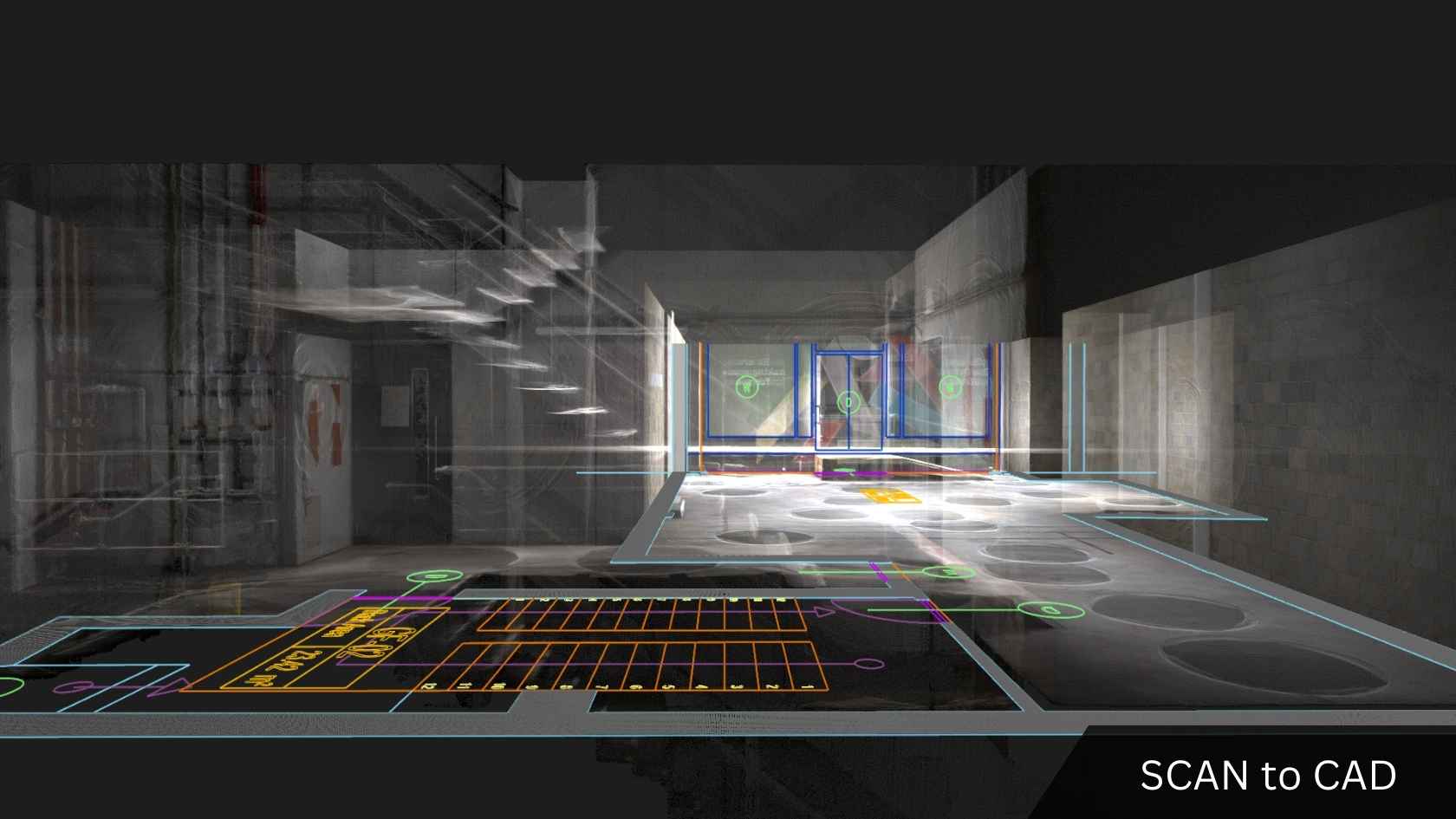
Preserving a historic building can be an incredibly complex process. From fragile stonework to intricate timber frames, every detail tells a story and protecting this requires exceptional care. Nowadays, property owners and conservation professionals face several challenges: stricter regulations, ageing structures, and the urgent need for sustainable retrofitting.
Fortunately, modern 3D scan to CAD services can assist with the preservation process. By delivering highly accurate, non-intrusive digital records of heritage buildings, these services support restorations and help them remain standing well into the future.
Why Choose 3D Scan to CAD for Heritage Projects?
Traditional tools aren’t always suitable for preservation projects. Tape measures and rough sketches can’t capture the complexity of period buildings, missing hidden details and placing fragile features at risk of damage. These mistakes can be costly, and accuracy is of the utmost importance when working on heritage projects.
Advanced laser scanning and 3D CAD modelling services collect millions of precise data points per second, containing crucial information about space coordinates. The result is a digital record of as-built plans that help memorialise every delicate or irregular feature of historic buildings, from archways to carvings, supporting preservation projects.
Non-Intrusive Accuracy
3D scan to CAD provides a hands-off approach to measurement. There’s no need for direct contact with fragile structures; instead, state-of-the-art equipment such as laser scanners, topographical equipment, drones, and cameras is used to capture data.
This modern technology protects delicate plasterwork, ancient carvings, and original materials, ensuring nothing is put at risk during the documentation process. By avoiding scaffolding and ladders and capturing all required data in one visit, there is much less disruption for custodians and visitors and lower health and safety risks.
Complete data capture, including hidden timber beams, intricate cornicing, vaulted ceilings, and hard-to-reach nooks, is recorded and detailed in your 3D CAD models. Even the most complex or deteriorated spaces can be safely documented. This precise and detailed approach means restoration teams can rely on the data to recreate lost features, plan repair work, and ensure lasting preservation – all while significantly reducing the margin for error.
Future-Proofing History
Laser scanning does much more than solve immediate documentation challenges; it provides a comprehensive “as-built” model that supports the long-term management and protection of historic buildings. High-resolution 3D scan data captures every architectural feature with complete precision. This permanent record becomes an invaluable reference for restoration and conservation, even decades after the initial survey.
Digital archives of scanned data also enable the recreation of architectural features lost to disasters, deterioration, or unforeseen events. Accurate repairs or reconstructions can be carried out, protecting irreplaceable heritage for future generations.
CAD software creates various formats, including floor plans, cross-sections and elevations, that can be shared, inspected, or studied from anywhere. They provide architects, conservation officers, and historians with a unique insight into period properties. This remote access also supports educational needs and virtual tourism, opening up fragile or restricted sites to much broader audiences without physical risk or travel restrictions. Ultimately, 3D scanning services turn Britain’s most treasured buildings into an accessible format.
Enhancing Restorations and Reducing Errors
For both minor repairs and major restorations, 3D scan to CAD models provide those involved in heritage projects with the comprehensive data they need. This enables conservationists to make well-informed decisions from the very start, navigating complex challenges and statutory approval processes with improved clarity.
Every stage of the restoration will also be guided by fact, not assumptions. CAD solutions ensure any new work blends seamlessly with the original fabric and character. Every detail, whether stone carvings, cornices, or ornamental windows, can be repaired in confidence, using archived data throughout manufacturing and installation.
Analysis tools even allow teams to monitor the ongoing condition of a structure, track changes over time, and preempt structural issues before they escalate. Being able to inspect the site remotely reduces the need for follow-up visits. This streamlines decision-making, leading to fewer errors, lower costs, and improved outcomes for irreplaceable heritage buildings.
Supporting Learning and Research
3D scan to CAD technology is changing the way people interact with and understand historic sites, not just for conservationists, but for the wider community as well. By turning entire buildings and landmarks into detailed digital models, this technology opens access, allowing schools, universities, and the general public to “visit” and explore Britain’s heritage virtually and safely from anywhere in the world.
Through scan to CAD and virtual tour technology, even the most remote, fragile, or restricted locations can be used for educational purposes, enabling new generations to appreciate the craftsmanship and stories embedded in historic buildings. For researchers, architects, and local authorities, these highly detailed archives provide a resource that can be revisited and studied again and again without risk to the original site.
Not only does this support in-depth investigations into building methods, conservation challenges, and social history, but it also allows for accurate monitoring over time. Ultimately, 3D scan to CAD ensures that the legacy of historic sites is not just preserved, but brought to life for future discovery and enjoyment.
Integrating 3D CAD and BIM into Workflows
Today’s preservation challenges often require collaboration between architects, engineers, and conservationists. With scan to CAD services, accurate models can be incorporated into Building Information Modelling (BIM) systems.
- Centralised data – Heritage BIM integrates crucial data about the physical and functional properties of a building. Everyone involved in a preservation project can access the 3D information they need, regardless of where they’re located, streamlining decision-making and long-term care for historic properties.
- Real-time model updates – New survey data or structural changes can be incorporated into BIM without rebuilding the entire model, keeping all digital records up to date and reducing manual work.
- Scenario simulation and risk assessment – BIM integration enables conservationists to simulate interventions and analyse potential impacts, reducing risk and enabling more informed emergency or restoration planning.
- Collaborative transparency – Visual BIM models with varying Levels of Detail (LOD) reduce misunderstandings among multidisciplinary teams, supporting better coordination, quicker approvals, and less room for error.
- Enriched historical context – Digital BIM models will show all the details of a period property, helping determine the current condition and identify deterioration. This provides conservationists and stakeholders the context needed for sensitive decision-making.
The combination of scan to CAD and BIM can speed up decisions and approvals, simplify compliance and reduce overall project timelines – while safeguarding a site’s historical legacy.
Why Partner with Surveyhands Engineering?
At Surveyhands Engineering, we are trusted by property owners and heritage professionals alike to provide detailed records of even the most delicate structures. Using advanced 3D CAD modelling services, we ensure every aspect of a building is recorded, preserved, and available for generations to come.
- Advanced scanning technology tailored for the unique needs of each site.
- Comprehensive as-built CAD files and immersive 3D models ready for restoration, planning, or long-term management.
- Responsive customer service and proven experience working on heritage landmarks.
Using 3D Scan to CAD for Historical Projects
All in all, 3D scan to CAD technology is transforming heritage preservation, providing accurate, accessible, and secure digital records for essential repairs, ambitious restorations, and ongoing site management. With Surveyhands Engineering’s knowledge, skill and experience, historic properties can be protected and celebrated, ensuring they thrive for the future.