
How to Integrate 3D Virtual Tours into Your Website Journey and Boost Bookings
- April 16, 2026
- Posted by: admin
- Category: 3D Virtual Tour
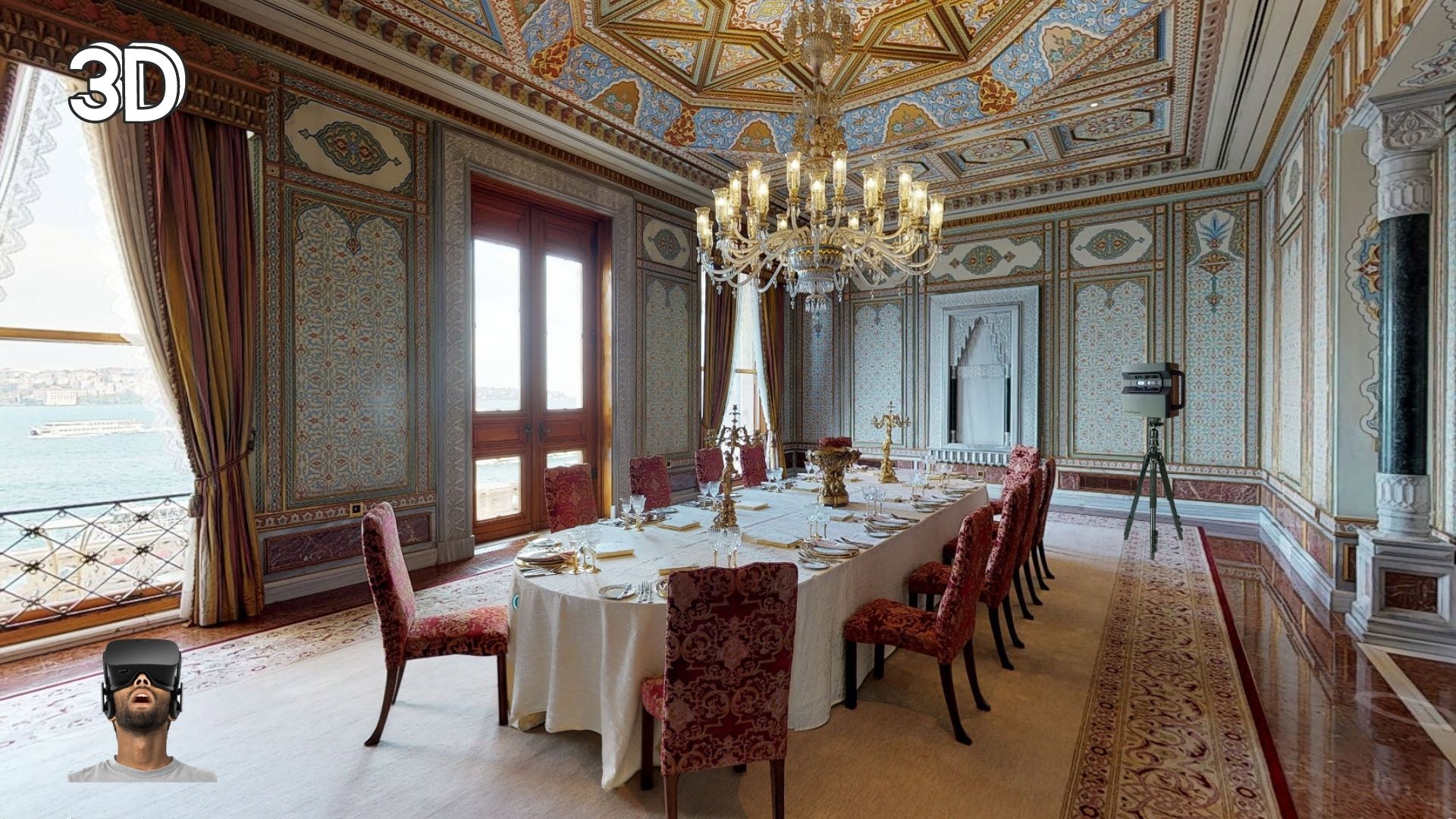
In many sectors, websites are designed with a selection of static images with short descriptions. From heritage sites, hospitality venues and tourist attractions to education providers and retail stores, businesses all rely on those photos to sell an experience.
However, visitor expectations have moved on. Potential guests now want to walk through a space before they commit, compare options side by side, and feel confident they know exactly what they’re booking. Fortunately, 3D virtual tours give you this level of immersion.
By carefully integrating 3D tours into your website and booking journey, you can increase engagement, improve enquiry quality and remove friction from the decision-making process. Done well, a 3D virtual tour service becomes part of your wider sales strategy.
3D Virtual Tours or Traditional Photography?
Traditional photography is still important. High-quality images set the tone, highlight your best angles and create a good first impression of your brand. They are quick to view and perform well in search results, on social media, and in snippets where people skim content.
A 3D virtual tour is different. Instead of a single frame, it offers a 360-degree virtual tour of each room or area, allowing visitors to move through the space and explore different details. For venues and attractions, the ability to ‘walk around’ on a laptop or phone offers several benefits.
Imagine two similar businesses. One has only photos, so visitors flick through a gallery but still wonder about the layout, accessibility, and how everything connects. The other uses the same photography but also adds an immersive virtual tour, so visitors can move around the space as if they were physically there. In practice, 360° tours tend to:
- Keep visitors engaged for longer than a static gallery.
- Produce better-quality enquiries.
- Deliver leads with clearer requirements and more specific questions.
- Reduce mismatched expectations when guests arrive on site.
Often, the best results come when you combine both: photography to grab visitors’ attention, and a 3D tour to give them the confidence to take the next step.
Why You Should Add Virtual Tours to Your Website
3D virtual tour services support the whole decision-making journey. At the awareness stage, they help you stand out from venues that still rely on galleries and provide complete transparency about what you offer. As people move into consideration, Matterport 3D virtual tours let them answer practical questions for themselves – from capacity and layout to entrances and facilities – and, for some attractions, even explore areas they might not access in person.
Closer to conversion, a 360° Panorama virtual tour reduces uncertainty and the need for extra site visits. Guests and planners can share the tour with other decision-makers, which is particularly useful for anyone who isn’t local. In our projects, we’ve seen that when a tour is placed alongside an enquiry form, visitors not only spend longer on the page, but you get fewer low‑quality queries, as they can visually confirm key details before contacting you.
How to Integrate 3D Virtual Tours into Your Booking Journey
Adding a 3D virtual tour can be incredibly effective for businesses across a range of industries. Ultimately, the aim is to let people explore your space in their own time, then guide them smoothly towards an enquiry or booking.
Add a 3D Tour to Key Website Pages
Start with pages that do the heavy lifting for bookings. On your home page, pair a hero image with a clear call to action, so visitors immediately see they can explore a 360° virtual tour on your website. On individual room and space pages, embed the tour near the top so it’s easy to find, and include links to jump straight to important areas.
For example, for wedding landing pages, use the tour to walk people through the dressing room, ceremony and reception spaces in a logical sequence, supported by CTAs. Gallery and FAQ pages are also perfect for more detail-oriented visitors, so make the tour a prominent option for those who want to explore everything before reaching out.
Place CTAs Strategically Around the Tour
A tour has more impact when it is clearly tied to the next step in the journey. Add a short line such as ‘Walk through our museum from home’ to frame the experience and invite interaction. Around or just below the tour, place action-led buttons such as ‘Check availability’, ‘Book a viewing’, or ‘Plan your visit’.
The key is to avoid dead ends once someone has invested time in exploring your 360° Panorama virtual tour. Short, direct copy often works best and directs visitors where to go/what to do next. For example, after a retail showroom tour, a button like ‘See this collection in person’ can link straight to your store locator or appointment page to keep momentum.
Use 3D Tours Throughout the Enquiry and Sales Process
Once your 3D virtual tour is live on key pages, use it in your enquiry and sales workflows. A small thumbnail beside your enquiry form encourages visitors to explore while they fill in details, often resulting in more specific leads. Follow-up emails can then link directly to the area someone is interested in, such as the terrace where your drinks reception could take place.
Proposal decks and PDFs can also use a few strong screenshots with a clickable link back into your 3D virtual tour. At this stage, use more decisive CTAs like ‘Confirm your preferred date’, ‘Schedule a final walkthrough’ or ‘Approve the proposal’ to move conversations from consideration to commitment.
Measuring the Impact of 3D Virtual Tours
To see whether your new virtual tours are really working, you need to track both engagement and conversions. Rather than overcomplicating things, start with a few simple metrics:
- Clicks or plays on the tour.
- Time spent interacting with the tour.
- Scroll depth on pages where the tour appears.
Over time, you can compare how visitors who interact with your 3D virtual tour behave compared with those who only view static pages, and see whether the tour leads to higher-value or faster-converting enquiries. You can then use these insights to make targeted changes, such as showcasing most-viewed rooms more prominently or adjusting CTA placement if people view the tour but don’t progress. Ultimately, the tour shouldn’t be a one-off upload.
Ready to Create a 3D Tour of Your Space?
If you’re unsure where to start, our team at Surveyhands Engineering is here to help. We can create immersive experiences for your website visitors using a 3D digital copy of your space that people can walk through as if they were there in person. Get in touch with us today to find out more about how virtual tour software can help you boost bookings.